
Flooring plays an important role in defining the appearance, comfort and character of any interior. Whether you are renovating your home, upgrading a condominium or improving a commercial property, the right flooring can transform the entire space. Among the many flooring options available, hardwood remains a popular choice for its natural beauty, distinctive grain patterns and timeless appeal.
If you are considering hardwood flooring installation Toronto, choosing the right material and professional installation service can make a significant difference to the final result. Hardwood flooring offers a combination of elegance, durability and design versatility that works well with traditional, contemporary and modern interiors.
At Multiple Choice Flooring, homeowners and property owners can explore flooring options to suit their interior preferences and project requirements. This guide covers the benefits of hardwood flooring, different wood types, installation methods, cost considerations and practical maintenance tips to help you make an informed decision.
Why Is Hardwood Flooring a Popular Choice for Toronto Homes?
Hardwood flooring has remained a preferred flooring option for generations. Its natural appearance, distinctive textures and ability to complement different interior styles make it an appealing choice for homeowners.
Whether you are designing a new property or updating an existing space, hardwood flooring can create a warm and sophisticated atmosphere.
Here are some reasons why homeowners consider hardwood flooring installation Toronto for their renovation projects.
1. Timeless Natural Beauty
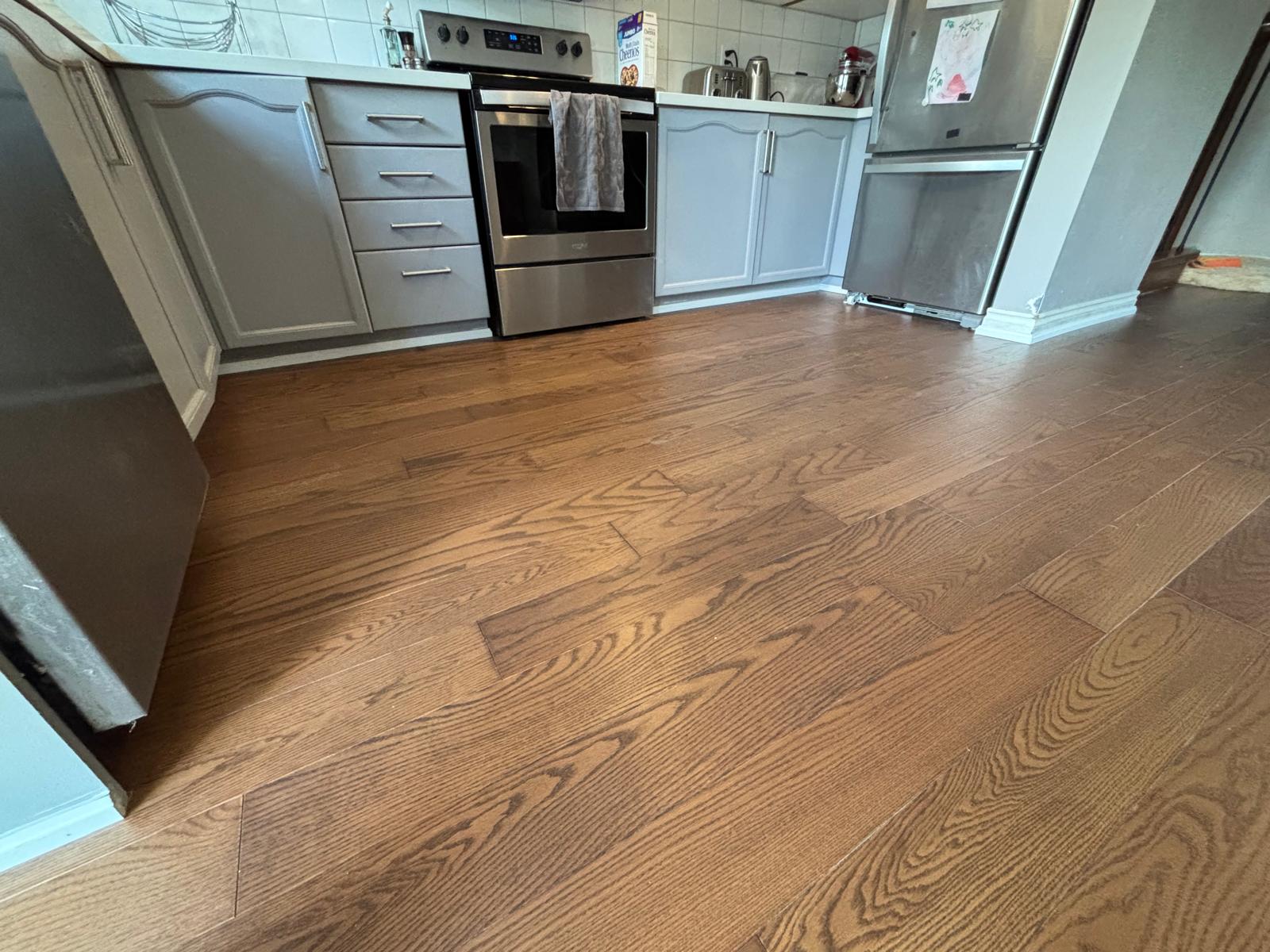
One of the biggest attractions of hardwood flooring is its natural appearance. Every plank has its own grain pattern, texture and character, giving the floor a distinctive look.
From the warm tones of oak to the rich appearance of walnut, hardwood offers several design possibilities. You can select lighter shades for a bright and spacious feel or darker finishes for a more traditional and elegant interior.
2. Long-Term Durability
Hardwood is known for its durability when selected, installed and maintained appropriately. The performance of a hardwood floor depends on the wood species, construction, finish and environmental conditions.
Solid hardwood can often be sanded and refinished multiple times, depending on its thickness and condition. This can help restore its appearance over the years without necessarily replacing the entire floor.
3. Complements Different Interior Styles
Hardwood flooring works well with a wide range of interior designs. It can complement minimalist spaces, traditional homes, modern condominiums and sophisticated office interiors.
Its natural texture also pairs well with different furniture materials, wall colours, cabinetry and decorative elements.
4. Adds Appeal to Your Property
Well-maintained hardwood flooring can enhance the overall presentation of a property. Its classic appearance is often attractive to prospective homebuyers and can contribute to the perceived value of a home.
However, actual resale value depends on several factors, including the property’s location, overall condition, market demand and quality of installation.
5. Easy to Maintain with the Right Care
Hardwood flooring does not require complicated daily maintenance. Regular sweeping or vacuuming helps remove dust and grit, while occasional cleaning with a manufacturer-approved hardwood floor cleaner helps maintain the finish.
Promptly cleaning spills and using protective pads beneath furniture can also reduce the risk of damage.
Professional Hardwood Flooring Installation Toronto: Why Quality Matters
Choosing premium hardwood is only one part of a successful flooring project. The quality of installation has a direct impact on the appearance, stability and long-term performance of the finished floor.
Professional hardwood flooring installation Toronto involves several important considerations, including subfloor preparation, moisture assessment, material acclimation, plank layout and the appropriate installation technique.
Incorrect installation can lead to problems such as gaps, uneven surfaces, excessive movement, squeaking and moisture-related damage. Professional workmanship helps minimise these risks by following the flooring manufacturer’s specifications and established installation practices.
Accurate Measurements and Flooring Layout
Before installation begins, the room needs to be measured accurately. This helps determine the quantity of hardwood required and allows the installer to plan the direction and arrangement of the planks.
The layout should account for room dimensions, doorways, adjoining spaces and other architectural features. Careful planning also helps create a balanced and visually consistent finish.
Subfloor Inspection and Preparation
The subfloor is the foundation of a hardwood flooring project. It must be clean, stable, dry and sufficiently level according to the flooring manufacturer’s requirements.
Installers may need to address uneven sections, loose areas, debris or other surface problems before laying the new floor.
Subfloor preparation is particularly important because an unsuitable surface can affect the stability and performance of the hardwood flooring.
Moisture Assessment
Moisture is an important consideration when installing hardwood flooring. Excessive moisture in the subfloor or surrounding environment can contribute to expansion, cupping, gaps and other flooring problems.
A professional assessment helps identify potential moisture concerns before installation. Appropriate moisture testing and preparation should be completed according to the selected product’s requirements.
Correct Installation Technique
Hardwood flooring can be installed using different methods depending on whether the product is solid or engineered, the subfloor type and the manufacturer’s recommendations.
Nailing, stapling, gluing and floating installation systems may be suitable for different products and site conditions. Selecting the correct method is essential for achieving a stable and attractive floor.
Understanding Different Types of Hardwood Flooring
Before booking hardwood flooring installation Toronto, it is important to understand the different flooring options available. The right choice depends on your design preferences, budget, property conditions and long-term expectations.
1. Solid Hardwood Flooring
Solid hardwood flooring is manufactured from a single piece of natural wood. It is valued for its authentic appearance and long service potential when maintained properly.
Popular solid hardwood species include:
- Oak: A versatile choice with distinctive grain patterns that suit several interior styles.
- Maple: Known for its relatively subtle grain and clean appearance.
- Hickory: Offers pronounced grain patterns and a distinctive natural character.
- Walnut: A premium-looking option with rich, darker tones.
- Birch: Often selected for its attractive grain and varied natural colouring.
Solid hardwood can generally be sanded and refinished multiple times, depending on the thickness and condition of the boards.
2. Engineered Hardwood Flooring
Engineered hardwood features a real wood surface layer bonded to a multi-layer core. This construction is designed to provide greater dimensional stability than solid wood under certain environmental conditions.
Engineered hardwood is available in a variety of wood species, finishes, colours and plank widths.
It can be a suitable option for many Toronto properties, particularly where site conditions or subfloor requirements make product selection especially important. Its suitability for basements or below-grade installations must always be confirmed against the manufacturer’s specifications.
3. Prefinished Hardwood Flooring
Prefinished hardwood arrives with its surface coating already applied at the factory. This reduces the amount of finishing work required at the property.
It is available in numerous colours and finishes, making it easier to select a product that matches your interior design.
4. Unfinished Hardwood Flooring
Unfinished hardwood is installed before the final sanding and finishing process is completed on-site. This approach allows greater flexibility in selecting the final stain and finish.
However, it generally involves additional installation time and preparation compared with prefinished flooring.
Popular Hardwood Flooring Styles for Modern Toronto Interiors
Hardwood flooring is available in different shades, plank widths, textures and finishes. Choosing the right combination can influence the overall appearance of your room.
Natural Oak Flooring
Natural oak is a versatile option that complements both traditional and contemporary interiors. Its distinctive grain and balanced colour make it suitable for living rooms, bedrooms and open-plan spaces.
Light Hardwood Flooring
Light-coloured hardwood can create a bright and airy atmosphere. It works particularly well with neutral walls, minimalist furniture and modern interior designs.
Dark Hardwood Flooring
Dark hardwood offers a rich and sophisticated appearance. It can create a striking contrast against lighter walls, furniture and decorative elements.
Matte and Low-Sheen Finishes
Matte and low-sheen finishes are popular among homeowners who prefer a more understated, natural appearance. They can also help reduce the visibility of certain minor surface imperfections compared with high-gloss finishes.
Wide-Plank Hardwood Flooring
Wide planks can create a more open and continuous visual effect. They are often selected for spacious living areas and contemporary interiors.
However, plank width should be considered alongside the wood species, product construction and environmental conditions.
Where Can You Install Hardwood Flooring?
Hardwood flooring can enhance several areas of a property, provided the selected product is appropriate for the location and environmental conditions.
Living Rooms
The living room is one of the most popular spaces for hardwood flooring. Its natural warmth and texture can create an inviting environment while complementing sofas, rugs, entertainment units and other furniture.
Bedrooms
Hardwood flooring can give bedrooms a clean and elegant appearance. Pairing it with an area rug can add softness and comfort while preserving the natural beauty of the floor.
Dining Rooms
Hardwood flooring can create a sophisticated dining area. Protective furniture pads and prompt spill cleaning are useful practices for maintaining the surface.
Hallways and Entryways
Hallways and entryways often experience regular foot traffic. A suitable hardwood product with an appropriate finish can work well in these areas, provided it is maintained correctly.
Entry mats can help reduce the amount of dirt and moisture brought indoors.
Offices and Commercial Spaces
Selected hardwood products may also be suitable for offices, reception areas and certain commercial interiors. Product specifications, expected foot traffic and maintenance requirements should be considered before installation.
The Hardwood Flooring Installation Process
A professional hardwood flooring installation Toronto project generally involves several stages. Understanding the process can help homeowners prepare their property and make informed decisions.
Step 1: Initial Assessment and Measurements
The installer assesses the room, examines the existing floor and takes accurate measurements. This helps identify the project requirements and any potential installation challenges.
Step 2: Selecting the Hardwood Product
The appropriate hardwood is selected based on wood species, colour, plank dimensions, construction, finish and intended application.
Homeowners can compare solid and engineered hardwood options before finalising their choice.
Step 3: Subfloor Inspection
The existing subfloor is checked for stability, cleanliness, moisture and levelness. Any required preparation is completed before installation begins.
Step 4: Acclimation and Site Conditions
Depending on the product, hardwood may need to acclimate to the installation environment. The installer follows the manufacturer’s recommendations regarding temperature, humidity, storage and acclimation.
This step helps ensure that the flooring is installed under suitable conditions.
Step 5: Hardwood Installation
The selected installation method is used according to the product and subfloor requirements. Planks are carefully positioned and secured to achieve consistent alignment and spacing.
Installers also account for expansion requirements and transitions between adjoining rooms.
Step 6: Finishing and Trimming
Once the main flooring is installed, the finishing details are completed. These may include baseboards, shoe mouldings, transition strips and other accessories.
For unfinished hardwood, additional sanding, staining and finishing may be required.
Step 7: Final Inspection
The completed floor is checked for alignment, surface quality, gaps and finishing issues. Homeowners can also receive guidance on cleaning, maintenance and product care.
How Much Does Hardwood Flooring Installation Cost in Toronto?
The cost of hardwood flooring installation Toronto varies according to the selected material, project size, site conditions and installation requirements.
There is no single price that applies to every property. A detailed project assessment is the best way to understand the total investment.
The following factors can influence the overall cost:
- Type of Hardwood: Solid and engineered hardwood products can have different price ranges depending on the wood species, construction and quality.
- Wood Species: Popular options such as oak, maple and walnut may differ in price and availability.
- Flooring Area: Larger rooms require more flooring material and installation labour.
- Subfloor Preparation: Repairs, levelling and moisture-related preparation can add to the project cost.
- Removal of Existing Flooring: Removing carpet, laminate, vinyl or old hardwood may involve additional labour and disposal costs.
- Installation Method: Nail-down, staple-down, glue-down and floating methods have different material and labour requirements.
- Finishing Requirements: Unfinished hardwood may require on-site sanding, staining and protective coating.
- Additional Accessories: Underlayment, adhesives, trims, transition strips and baseboards may contribute to the final estimate.
Requesting a detailed quotation helps you understand what is included and compare flooring options according to your budget.
DIY vs Professional Hardwood Flooring Installation
Hardwood flooring installation requires careful planning, appropriate tools and an understanding of the selected product’s technical requirements.
Although some experienced homeowners may attempt DIY installation, professional services offer several practical advantages.
Why Choose Professional Installation?
- Accurate measurements: Proper planning helps reduce material wastage and installation errors.
- Subfloor preparation: Installers can identify surface issues that may affect the finished floor.
- Moisture assessment: Appropriate checks help identify conditions that could damage hardwood.
- Correct installation method: Professionals can follow product-specific installation requirements.
- Consistent appearance: Careful plank placement helps create a balanced and uniform finish.
- Finishing expertise: Trims, transitions and other details contribute to a polished result.
Professional hardwood flooring installation Toronto can be particularly valuable for larger projects, complex room layouts and premium flooring products.
Why Consider Multiple Choice Flooring for Your Hardwood Flooring Project?
Choosing a flooring company is an important part of planning a renovation. Beyond the appearance of the material, you need to consider product suitability, preparation, installation techniques and finishing quality.
Multiple Choice Flooring is a flooring resource for homeowners and property owners exploring flooring solutions in Toronto. When evaluating your hardwood flooring project, consider the importance of professional guidance and a clear understanding of the installation requirements.
Flooring Options for Different Design Preferences
Every property has its own character. Some homeowners prefer traditional oak flooring, while others may favour modern light finishes or rich walnut tones.
Exploring different hardwood styles can help you find a product that complements your furniture, wall colours and interior design.
Guidance on Product Selection
Selecting hardwood involves more than choosing a wood colour. The construction, thickness, finish, plank dimensions and intended installation location all matter.
Understanding these factors before purchasing can help you make a more suitable long-term choice.
Attention to Installation Requirements
Subfloor preparation, moisture assessment, acclimation, installation technique and finishing details all contribute to the completed floor.
These requirements should be considered before the project begins.
A Flooring Solution That Matches Your Budget
A flooring renovation should balance aesthetics, durability and cost. Comparing different hardwood products and understanding installation expenses can help you plan your project more effectively.
To explore available flooring options, visit https://www.multiplechoiceflooring.com.
How to Maintain Your Hardwood Flooring
Once your hardwood flooring installation Toronto project is complete, regular maintenance can help preserve its appearance and protect the surface.
Follow these practical care tips:
- Sweep or vacuum regularly to remove dust, dirt and grit.
- Use a microfiber mop and a hardwood-compatible cleaning product.
- Avoid excessive water and steam cleaning unless specifically approved by the manufacturer.
- Wipe spills promptly to reduce the risk of moisture damage.
- Place protective pads beneath furniture legs.
- Use entry mats to reduce dirt and moisture.
- Avoid dragging heavy furniture across the floor.
- Maintain suitable indoor humidity levels as recommended by the flooring manufacturer.
- Follow the product-specific cleaning and maintenance instructions.
With appropriate care, hardwood flooring can remain an attractive feature of your property for many years.
Frequently Asked Questions
1. How long does hardwood flooring installation take?
The installation time depends on the size of the area, type of hardwood, subfloor condition and installation method. Unfinished hardwood may require additional time for sanding and finishing.
2. Is solid hardwood better than engineered hardwood?
Neither option is universally better. Solid hardwood offers the possibility of multiple refinishing cycles, depending on its thickness, while engineered hardwood has a layered construction designed for improved dimensional stability under certain conditions. The right choice depends on your property and installation requirements.
3. Can hardwood flooring be installed over concrete?
Certain engineered hardwood products may be suitable for installation over concrete using an approved method. Solid hardwood generally has more restrictive installation requirements. The selected product and manufacturer’s guidelines should determine suitability.
4. Is hardwood flooring suitable for Toronto’s climate?
Hardwood can perform well in Toronto homes when installed and maintained under suitable environmental conditions. Seasonal changes in indoor humidity can cause natural expansion and contraction, so appropriate humidity management is important.
5. Can hardwood flooring be installed in a basement?
Some engineered hardwood products may be suitable for certain basement applications, subject to the manufacturer’s specifications and moisture conditions. Solid hardwood is generally not recommended for below-grade installation.
6. How do I choose the right hardwood colour?
Consider natural light, room dimensions, wall colours, furniture and your preferred interior style. Light finishes can create a brighter appearance, while darker tones add richness and contrast. Viewing samples in the actual room can help with the decision.
7. Can hardwood flooring be refinished?
Many solid hardwood floors can be sanded and refinished multiple times. Some engineered hardwood products can also be refinished, depending on the thickness of their real wood wear layer and the manufacturer’s recommendations.
8. Is hardwood flooring suitable for homes with pets?
Hardwood can be used in homes with pets, but claws, dirt and accidental spills may affect the finish. Choosing an appropriate wood species and protective finish, trimming pet nails and cleaning spills promptly can help reduce wear.
9. Does hardwood flooring increase property value?
Quality hardwood flooring can improve the appearance and appeal of a property. Its impact on resale value depends on local market conditions, buyer preferences and the overall quality of the home.
10. Why should I hire professionals for hardwood flooring installation in Toronto?
Professional installers can help with product selection, measurements, moisture assessment, subfloor preparation, installation techniques and finishing. Their experience can help reduce common installation errors and improve the consistency of the finished floor.
Transform Your Space with Professional Hardwood Flooring
Hardwood flooring brings together natural beauty, timeless style and practical long-term appeal. Whether you prefer classic oak, elegant walnut or contemporary engineered hardwood, the right product can enhance the character of your interior.
However, choosing the right material is only the first step. Proper subfloor preparation, moisture assessment, product-specific installation and attention to finishing details are essential for achieving a floor that looks beautiful and performs as expected.
If you are planning hardwood flooring installation Toronto, explore the available options and discuss your project requirements with Multiple Choice Flooring. Visit https://multiplechoiceflooring.com to learn more and take the next step towards creating a more elegant and welcoming space.