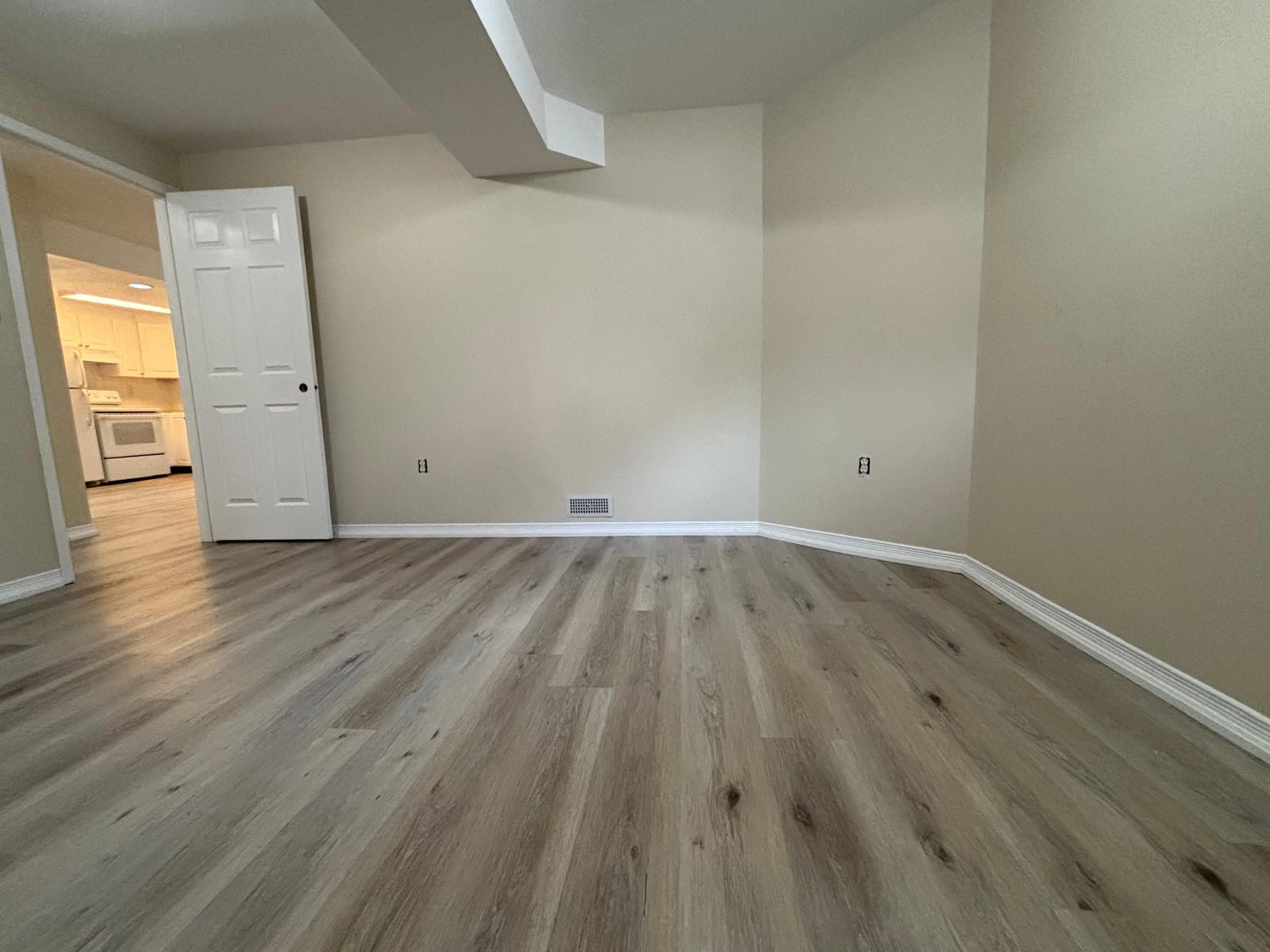
Toronto homes live busy lives.
Doors open and close constantly. Shoes come in from rain, snow, and construction dust. Furniture gets rearranged. Renters move out, homeowners move up, condos change hands. In a city that rarely slows down, flooring quietly absorbs the impact of everyday motion.
For many Toronto residents, laminate flooring has become less of a budget fallback and more of a practical lifestyle decision. Not because it imitates something else—but because it fits how city homes actually function.
Where the Flooring Conversation Usually Begins
Most flooring decisions in Toronto don’t start with aesthetics. They start with inconvenience.
A scratched floor after moving a couch. Swollen boards near the entryway after a wet winter. Noise complaints from downstairs neighbors. Or simply the realization that the current floor doesn’t match the pace of life inside the home.
Laminate sales and installation often enter the picture at this moment—when homeowners and condo dwellers begin searching for a solution that balances durability, appearance, and minimal disruption.
Understanding Laminate Flooring Beyond the Basics
Laminate flooring is often described in simple terms: a photographic wood layer, a protective top coat, and a stable core. But its real value lies in how those layers work together under stress.
Modern laminate flooring is designed to handle:
High foot traffic
Frequent cleaning
Temperature fluctuations from HVAC systems
Furniture movement and daily wear
In Toronto’s dense housing environment, this engineered consistency matters more than perfection. Floors don’t just need to look good on day one—they need to hold up through years of constant use.
City Living Changes How Floors Are Chosen
Toronto homes come with constraints that directly affect flooring decisions.
Condos often require:
Specific sound ratings
Floating installation methods
Approval for materials and underlays
Older homes may have:
Uneven subfloors
Multiple renovations layered over decades
Tight timelines for upgrades
Laminate installation adapts well to these realities. Its installation process is generally cleaner, faster, and less invasive than many traditional flooring options—an important factor when elevators, neighbors, and schedules are involved.
Sales as a Learning Phase, Not a Transaction
In Toronto, laminate sales are rarely about impulse purchases. They’re about comparison and reassurance.
Homeowners and landlords tend to ask:
How will this hold up in winter?
Will it show scratches?
How loud will it be?
Can damaged planks be replaced easily?
This stage is less about persuasion and more about understanding. People want floors that don’t require constant attention, especially in rental units or high-use family homes.
Installation Is Where Expectations Are Set
Laminate installation isn’t just about clicking planks together. In city homes, it’s about preparation and precision.
Proper installation typically includes:
Subfloor leveling
Moisture barrier placement
Expansion gap planning
Correct underlay selection for sound control
Skipping these steps can lead to noise issues, shifting boards, or visible gaps—problems that become magnified in shared living spaces like condos and townhouses.
Well-executed laminate installation feels invisible. The floor simply works, without calling attention to itself.
The Sound Factor in Toronto Homes
One of the most underestimated aspects of flooring in Toronto is sound.
In stacked living environments, noise travels easily. Laminate flooring, when paired with the right underlay, can significantly reduce footstep noise and vibration transfer.
This makes laminate a popular choice for:
Condo units
Basement apartments
Multi-level homes
Rental properties
Sound comfort often becomes the reason laminate flooring is appreciated long after installation.
Maintenance in a High-Traffic City
Toronto floors see a lot of action.
Snow salt in winter. Dust in summer. Constant foot traffic year-round. Laminate flooring handles this rhythm well because its surface layer resists staining and scratching more consistently than many natural materials.
Maintenance tends to be straightforward:
Regular sweeping or vacuuming
Occasional damp cleaning
No sanding or refinishing schedules
No seasonal sealing requirements
For busy households and rental owners, this predictability is often more valuable than prestige materials.
Laminate Flooring in Rental and Investment Properties
In Toronto’s rental market, flooring decisions are strategic.
Landlords often prioritize:
Durability between tenants
Easy board replacement
Neutral appearance
Lower long-term upkeep
Laminate flooring fits neatly into this framework. It offers visual appeal without the risk profile of more delicate surfaces, helping properties maintain consistency across turnovers.
Renovation Timelines and Urban Reality
Renovations in Toronto rarely happen in ideal conditions. Elevators need booking. Neighbors need notice. Time windows are tight.
Laminate installation aligns well with these constraints:
Faster installation timelines
Less dust and odor
Minimal curing time
Immediate usability after installation
This efficiency reduces stress during renovations and allows homeowners to return to normal life sooner.
How Laminate Flooring Ages Over Time
Every floor ages. The question is how noticeable and how manageable that aging becomes.
Laminate flooring tends to age evenly. Instead of isolated damage standing out, wear distributes across the surface. When damage does occur, individual planks can often be replaced without disturbing the entire floor.
This controlled aging makes laminate particularly suited to long-term urban living, where floors must adapt to change rather than resist it.
Perception Shift: From Budget Choice to Smart Choice
Laminate flooring once carried a reputation as a compromise. In Toronto, that perception has shifted.
Today, laminate is often chosen intentionally—not because it’s cheaper, but because it aligns with:
Urban lifestyles
Rental realities
High-traffic demands
Maintenance-first thinking
As flooring technology has improved, so has confidence in laminate as a long-term solution.
Flooring as Infrastructure, Not Decoration
In a city like Toronto, flooring functions more like infrastructure than décor. It supports daily movement, absorbs impact, reduces noise, and provides visual continuity.
Laminate sales and installation have grown alongside this understanding—not as a trend, but as a response to how people live in dense, fast-moving spaces.
Final Thoughts: Choosing Floors for Real Life
Laminate flooring succeeds in Toronto not because it pretends to be something else, but because it embraces reality.
It’s designed for homes that are lived in, not tiptoed through. For spaces that change hands, layouts, and purposes. For people who value consistency, ease, and quiet reliability.
In a city that never stops moving, the best floors are the ones that move with you—without demanding attention.
And for many Toronto homeowners, that’s exactly what laminate delivers.